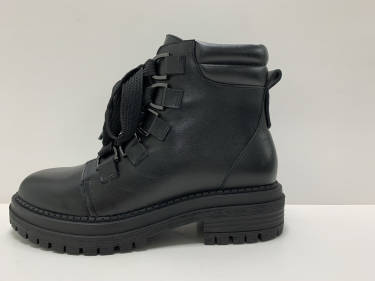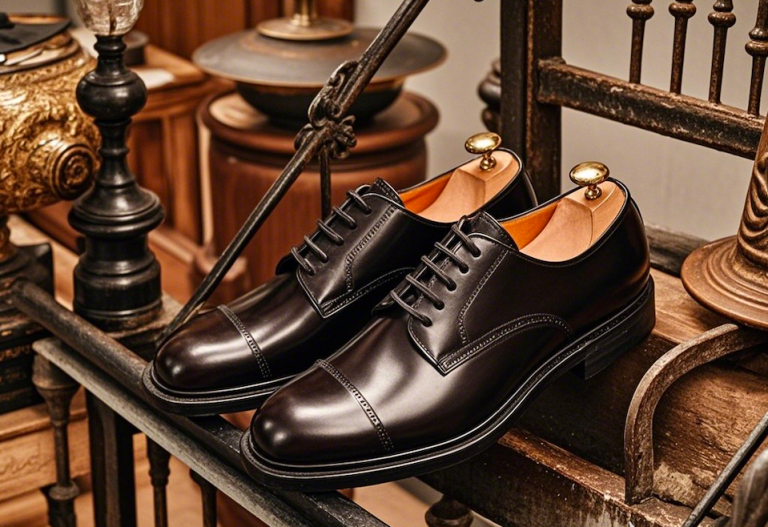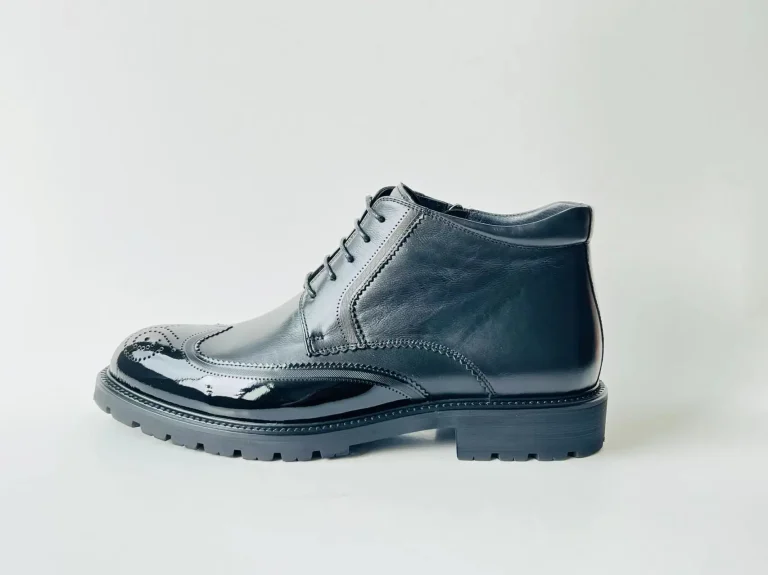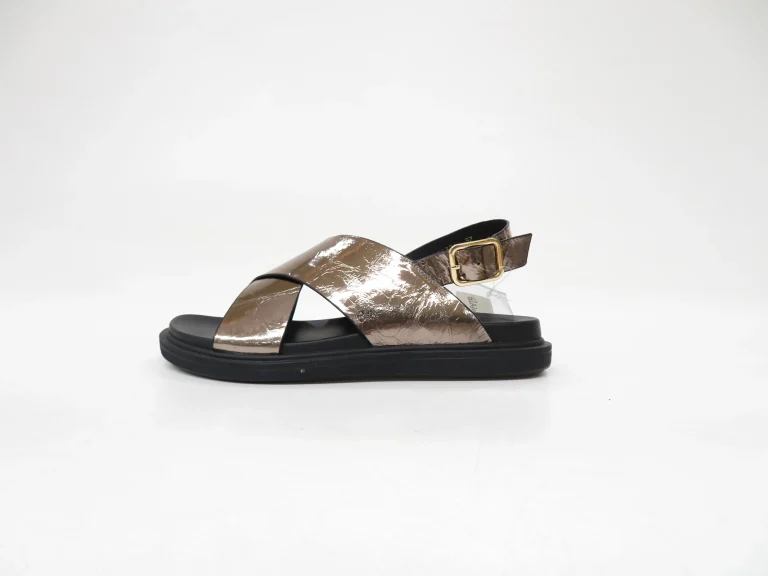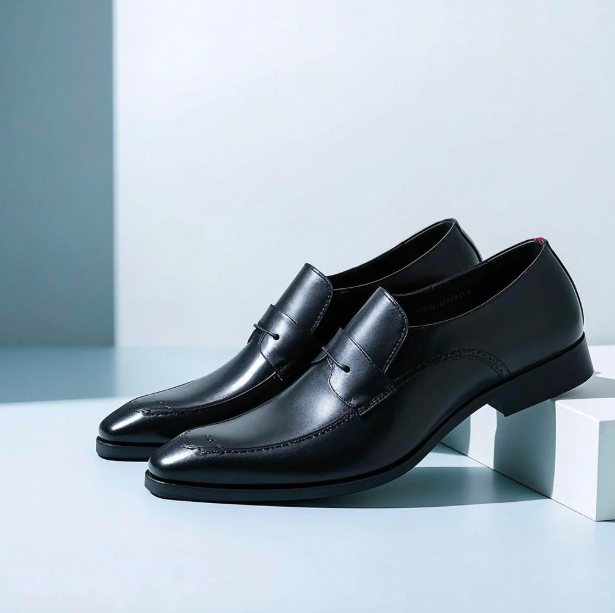
The creation of leather shoes is a meticulous process that combines traditional craftsmanship with modern techniques. In a leather shoe factory, each step is critical to ensuring the final product is not only stylish but also durable and comfortable. Let’s take a closer look at the leather shoe production process, which reflects the dedication and skill involved in crafting these timeless footwear pieces.

1. Selection of Raw Materials
The journey of leather shoes begins with the careful selection of raw materials. The leather shoe factory sources high-quality hides, typically from cattle, which are known for their strength and durability. The quality of leather is crucial because it determines the shoe’s final appearance, texture, and longevity. Factories often use full-grain leather for premium shoes, as it retains the natural grain and offers unmatched durability.
2. Tanning
Once the hides are selected, they undergo the tanning process. Tanning is essential to convert raw hides into leather that is flexible, resistant to decay, and suitable for shoe production. There are two main tanning methods used in a leather shoe factory: vegetable tanning and chrome tanning. Vegetable tanning uses natural tannins from plants, resulting in a more eco-friendly leather with a rich, natural color. Chrome tanning, on the other hand, is faster and produces a more supple leather, making it popular in the mass production of shoes.
3. Cutting
After tanning, the leather is prepared for cutting. Skilled workers or advanced machines cut the leather into various pieces that will form the upper part of the shoe. The cutting process requires precision to ensure minimal waste and that the leather pieces match the shoe design perfectly. This stage is crucial, as any errors can lead to defects in the final product.
4. Sewing and Stitching
Once the leather pieces are cut, they are stitched together to form the shoe upper. In a leather shoe factory, this process is often done by hand or with the assistance of specialized sewing machines. The stitching must be even and strong, as it holds the shoe together and contributes to its overall aesthetics. For high-quality leather shoes, factories may use Goodyear welt construction or Blake stitching, both known for their durability and classic appeal.
5. Lasting
The lasting process is where the shoe begins to take its final shape. The leather upper is pulled over a “last,” a mold that mimics the shape of a foot. This step is critical in determining the fit and comfort of the shoe. The upper is secured onto the last using nails, glue, or stitching, depending on the shoe design. After lasting, the shoe is left to rest for a period to allow the leather to conform to the last’s shape.
6. Sole Attachment
Once the upper has been shaped, the next step is attaching the sole. In a leather shoe factory, various methods can be used to attach the sole, including cementing, stitching, or using a Goodyear welt. The type of sole and attachment method significantly impacts the shoe’s durability, flexibility, and water resistance. High-end leather shoes often feature leather soles, which are breathable and provide a sophisticated look.
7. Finishing
The finishing process is where the shoe is polished, buffed, and inspected for any imperfections. In this stage, the shoes may also undergo additional treatments, such as waterproofing or applying decorative elements like broguing or burnishing. The finishing touches are what give leather shoes their final luster and appeal.
8. Quality Control and Packaging
Before the shoes leave the leather shoe factory, they undergo a rigorous quality control check. This ensures that each pair meets the factory’s high standards and is free from defects. Once approved, the shoes are packaged carefully to protect them during shipping. High-end factories often include special packaging, such as dust bags or boxes, to enhance the unboxing experience for customers.
Conclusion
The production process in a leather shoe factory is a blend of art and science. From selecting the finest hides to meticulously stitching the upper and attaching the sole, each step requires skill and attention to detail. Understanding this process helps to appreciate the craftsmanship behind every pair of leather shoes, making them more than just footwear but a testament to the tradition and expertise of shoemaking.